Darknet Markets 2026:
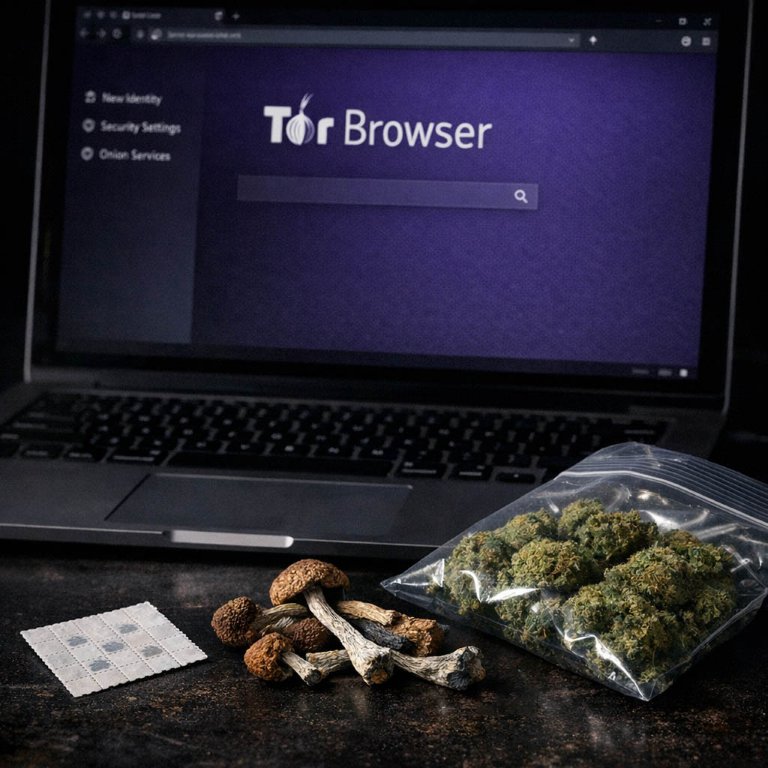
The dark web is part of the deep web but is built on darknets: overlay networks that sit on the internet but which can't be accessed without special tools or software like Tor. Tor is an anonymizing software tool that stands for The Onion Router — you can use the Tor network via Tor Browser.
| Darknet Market | Established | Total Listings | Link |
|---|---|---|---|
| TorZon Market | 2022 | 140+ | Onion Link |
| Nexus Market | 2024 | 600+ | Onion Link |
| Abacus Market | 2022 | 100+ | Onion Link |
| Ares | 2026 | 100+ | Onion Link |
| Cocorico | 2023 | 110+ | Onion Link |
Updated 2026-10-27
How Drug Trade Works Safely on the Darknet
Darknet markets operate on the onion network, which provides a foundational layer of anonymity by encrypting and routing user traffic through multiple relays. This architecture conceals the physical location of both the market servers and its users. To complete a transaction, a buyer and vendor must connect through this anonymizing layer. The financial layer is handled by cryptocurrency, typically Bitcoin or Monero, which allows for pseudonymous value transfer without involving traditional financial institutions. These two technologies create the basic framework for anonymous commerce.
The system incorporates several mechanisms to increase safety and reduce fraud. PGP encryption is used for all sensitive communication, ensuring that addresses and order details remain private and can only be read by the intended recipient. The escrow service holds the buyer's cryptocurrency payment until the product is received and confirmed, protecting the buyer from vendors who might not ship items. Upon successful delivery, the funds are released to the vendor. This creates a necessary trust barrier in an anonymous environment.
Market safety is further enhanced by community-driven feedback systems. After a transaction, buyers leave detailed reviews and assign vendor ratings. These scores, along with written feedback on product quality and shipping speed, are publicly displayed on the vendor's profile. Over time, consistent performance builds a vendor's reputation, which becomes their most valuable asset. New buyers can use this historical data to make informed decisions, selecting vendors with proven track records. This combination of technological safeguards and social proof creates a self-regulating ecosystem where anonymous commerce can occur with reduced risk for all participating parties.
How Cryptocurrency Makes Darknet Trade Safe and Private
The operational security of a darknet market is built upon two foundational technologies: the onion network for anonymous access and cryptocurrency for private financial settlement. The onion network, accessed via the Tor browser, encrypts and routes user traffic through multiple volunteer relays, effectively concealing both the user's location and the market's server location. This makes direct surveillance or takedown by conventional means significantly more difficult. Concurrently, cryptocurrencies like Monero and Bitcoin provide a payment layer detached from the traditional banking system. Transactions are recorded on a public ledger, but the identities behind the wallet addresses are not inherently tied to personal data, offering a degree of financial privacy unattainable with credit cards or bank transfers.
These core technologies are augmented by a suite of features designed to build trust and safety between anonymous parties. PGP encryption is mandatory for protecting communication. Buyers use a vendor's publicly listed PGP key to encrypt their delivery address, ensuring only that vendor can decrypt it, which shields sensitive information even from the market administrators. The financial risk in a transaction is mitigated by an escrow service managed by the market. Funds are held by this neutral third party until the buyer confirms satisfactory receipt of the goods, at which point they are released to the vendor. This system disincentivizes vendors from engaging in fraudulent behavior.
The final critical component is the community-driven reputation system. After a transaction, buyers leave detailed feedback and a rating, creating a transparent record of a vendor's reliability and product quality. Over time, consistent performance earns a vendor a high reputation score, which is displayed prominently on their profile. This creates a self-regulating economic environment where trust is quantifiable. The combined effect is a resilient ecosystem:
- Onion routing provides anonymous connectivity.
- Cryptocurrency enables private financial transactions.
- PGP encryption secures sensitive data.
- Escrow protects funds during the exchange.
- Vendor ratings guide buyers toward reliable partners.
How Escrow Makes Buying on the Darknet Safer
The escrow system is a fundamental security mechanism on darknet markets, directly addressing the inherent lack of trust in anonymous commerce. When a buyer initiates a purchase, their cryptocurrency funds are not sent directly to the vendor. Instead, the market's automated software holds the payment in a secure, third-party escrow account. This creates a conditional transaction where the vendor is motivated to fulfill the order satisfactorily to receive payment.
The process follows a clear sequence:
- The buyer places an order and the cryptocurrency is locked in escrow by the market platform.
- The vendor ships the product and updates the order status.
- Upon receiving the product, the buyer finalizes the order, releasing the escrowed funds to the vendor.
If a dispute arises, such as non-delivery or substandard quality, the buyer can open a support ticket. Market moderators then review communication and evidence, often requiring PGP-signed messages or photographic proof, before adjudicating the release or refund of the escrowed funds. This system effectively reduces fraud by aligning the vendor's financial incentive with honest service, as payment is contingent upon buyer confirmation. The integration of escrow with vendor ratingsand user reviewscreates a self-reinforcing cycle of accountability, where consistently poor performance in disputes damages a seller's reputation and future business prospects.

How Decentralized Hosting Keeps the Darnet Open for Business
The operational foundation of a darknet market is its use of the onion network, which provides inherent anonymity by routing traffic through multiple encrypted layers. This architecture makes it exceptionally difficult to trace users or pinpoint the physical server location. When combined with cryptocurrency like Bitcoin or Monero, the financial layer of a transaction is also severed from real-world identity, creating a dual layer of privacy for both buyer and seller.
To build trust within this anonymous environment, darknets employ several critical systems. PGP encryption is used for all sensitive communication, ensuring that only the intended vendor can read a buyer's address details. The escrow service holds the buyer's cryptocurrency payment until the product is received and confirmed, protecting the customer from fraud. After a transaction, buyers leave detailed feedback and ratings, which compile into a vendor's reputation score. This creates a transparent, community-driven accountability mechanism where high-quality vendors thrive and dishonest ones are quickly identified and avoided.
These components form a self-reinforcing cycle. The anonymity provided by onion routing and cryptocurrency enables commerce, while PGP, escrow, and reputation systems establish the safety and reliability necessary for that commerce to persist. This ecosystem is resilient because it is decentralized and self-regulating; the community polices itself through reviews, and the distributed nature of the hosting makes single points of failure rare. The result is a persistent platform for anonymous trade that adapts to challenges and maintains continuous availability for its users.
How PGP Keeps Your Darknet Purchases Safe
The operational security of a darknet market relies on the integrity of its vendors. PGP (Pretty Good Privacy) encryption is the foundational tool for establishing this trust. Every reputable vendor maintains a unique PGP key paira public key for encryption and a private key for decryption. The public key is listed on their vendor profile, allowing buyers to use it to encrypt sensitive information, such as delivery addresses. Only the vendor, holding the corresponding private key, can decrypt this data. This process ensures that communication is confidential and that the vendor's identity is cryptographically verifiable.
When a buyer encrypts their address with a vendor's legitimate public key, it confirms they are communicating with the intended party and not an impersonator. This verification is critical for preventing phishing attacks and marketplace fraud. The system creates a direct and secure channel between buyer and seller, independent of the market's own messaging system. This decentralization of trust means that even if a market is compromised, the private transaction details remain protected by the vendor's individual PGP key.
The use of PGP dovetails with other market mechanisms to enhance safety. For instance, funds held in escrow are only released after the buyer confirms receipt of the product. A vendor with a consistently verified PGP key and a high reputation score from user reviews is more likely to engage in fair transactions to maintain their standing. Thus, PGP is not an isolated feature; it is the cryptographic anchor for a broader self-regulating ecosystem that uses cryptocurrency on onion sites to facilitate anonymous commerce where participant safety is prioritized through technological means.

How Reviews and Ratings Make Darknet Shopping Safer
- A buyer places an order, funds are held in escrow.
- The vendor ships the product.
- The buyer receives the item and posts a review detailing product quality, stealth, and communication.
- The system releases cryptocurrency from escrow to the vendor.
- The vendor's reputation score updates based on the new feedback.
This cycle, protected by the anonymity of the onion networkand the security of PGP, reduces fraud. It allows buyers to make informed choices based on collective experience, fostering a safer trading environment where trust is built and maintained through verifiable, community-driven data.
How Darknet Markets Keep Product Quality High
The quality of goods on darknet markets is not left to chance but is enforced by a self-regulating ecosystem. This system relies on the transparent and permanent nature of blockchain feedback and the cryptographic security of vendor identities. When a buyer receives a product, its measured purity, accurate weight, and overall condition are reflected in a detailed review. These reviews are tied to a vendor's permanent PGP-verified identity, making reputation a valuable and non-transferable asset. A vendor with consistently high ratings for product quality gains a competitive advantage, directly linking their financial success to reliable service.
The mechanism is reinforced by the escrow service and the release of funds only upon confirmed delivery. This prevents vendors from profiting from substandard or non-existent products. The sequence of a typical transaction demonstrates the system's operation:
- A buyer selects a vendor with a high reputation score built from positive reviews about product specifics.
- Communication for shipping details is encrypted using the vendor's public PGP key, ensuring operational security.
- Cryptocurrency is placed in multisignature escrow, held by the market until the buyer confirms satisfactory receipt.
- After verification of the product's quality, the buyer finalizes the order, releasing funds and often leaving a detailed review.
This creates a powerful economic incentive for vendors to maintain high standards. Poor quality or "exit scams" where a vendor takes money without shipping product are immediately visible in the feedback system, destroying that identity's reputation and future earning potential. The decentralized hosting on the onion network ensures these review archives and vendor profiles remain persistently accessible, allowing this reputation data to accumulate over time. Consequently, the market polices itself through a combination of cryptographic trust, financial incentives, and transparent peer feedback, leading to a more predictable and safer commercial environment for all participants.
How Darknet Markets Build Safe, Reliable Trade
The operational resilience of darknet commerce is a direct result of its integrated technical and social architecture. This ecosystem employs a multi-layered approach to security and trust, making anonymous transactions not just possible but systematically safer for participants.
The foundation is built on onion routing via the Tor network, which anonymizes user location and access. This is paired with cryptocurrencies like Bitcoin and Monero, which provide a payment layer detached from traditional financial identities. Together, they create a base for private economic activity.
On this base, three critical mechanisms enforce safety and reliability:
- PGP encryption is mandatory for securing communication. Buyers use a vendor's public key to encrypt shipping details, ensuring only that vendor can read the information. This prevents interception and confirms the vendor's identity.
- Escrow services managed by the market platform hold the buyer's cryptocurrency until the product is received. This protects the buyer from scams and incentivizes the vendor to fulfill the order properly to receive payment.
- Vendor rating systems and detailed user reviews create a transparent reputation framework. A vendor's history of successful transactions and product quality is publicly visible, allowing buyers to make informed decisions and encouraging vendors to maintain high standards.
These components interact to form a self-regulating environment. The anonymity provided by onion sites and crypto is balanced by the accountability enforced through escrow and public reputation. A vendor with a high rating has a strong economic incentive to maintain it, as their future sales depend on this publicly verifiable track record. This reduces fraud and establishes a predictable market where quality and reliability are rewarded, fostering a stable and persistent commercial ecosystem.