Darknet Markets 2026:
The dark web is part of the deep web but is built on darknets: overlay networks that sit on the internet but which can't be accessed without special tools or software like Tor. Tor is an anonymizing software tool that stands for The Onion Router — you can use the Tor network via Tor Browser.
| Darknet Market | Established | Total Listings | Link |
|---|---|---|---|
| TorZon Market | 2022 | 140+ | Onion Link |
| Nexus Market | 2024 | 600+ | Onion Link |
| Abacus Market | 2022 | 100+ | Onion Link |
| Ares | 2026 | 100+ | Onion Link |
| Cocorico | 2023 | 110+ | Onion Link |
Updated 2026-10-27
Easy and Secure Shopping on the Darknet
The operational model of darknet markets in 2025 has standardized a transaction process that is both simple and secure for the consumer. The foundation of this simplicity is the integration of privacy-centric cryptocurrencies and automated mixing protocols directly into market wallets. This eliminates the technical burden from the user, as each payment is automatically anonymized before the vendor receives it. The process is seamless: a user selects a product, and the market's backend system handles the complex cryptography, ensuring the financial trail is obscured without requiring any extra steps from the buyer.
Security is further reinforced by sophisticated decentralized escrow systems. Funds are held in a smart contract, not by a central market administrator, which drastically reduces the risk of exit scams. The contract automatically releases payment to the vendor only after the buyer confirms receipt. This mechanism builds inherent trust, as both parties are protected by immutable code rather than the promise of a potentially corruptible third party. The result is a purchasing environment where financial risk is systematically minimized.
This technical infrastructure is complemented by granular vendor reputation algorithms. Every transaction feeds into a dynamic scoring system that analyzes not just final delivery, but also shipping speed, stealth quality, and communication. This data is presented transparently, allowing buyers to make informed decisions based on consistent, automated performance metrics. The combination of private, automated payments, trustless escrow, and data-driven vendor selection creates a streamlined commerce ecosystem where acquiring substances is a matter of routine logistical execution rather than a hazardous endeavor.
How Modern Mixers Make Darknet Shopping Safer
The evolution of cryptocurrency mixers, or tumblers, represents a significant leap forward for transactional privacy on darknet platforms. These services are no longer basic utilities but sophisticated systems designed to break the on-chain link between a buyer's initial wallet and the final payment to a vendor. Modern mixers utilize CoinJoin and similar trustless protocols, which pool funds from multiple users into a single transaction before redistributing them, making forensic blockchain analysis exceptionally difficult.
This technical advancement directly supports a simpler and more secure purchasing process. A user can acquire cryptocurrency from a standard exchange, route it through a mixer, and then fund their darknet market account with coins that have no clear origin. This process effectively creates a privacy firewall, separating the user's legal identity from their market activity. The result is a transactional environment where financial privacy is assumed, allowing users to focus on vendor selection and product quality rather than concerns over blockchain surveillance.
The integration of these mixers is often seamless, with many markets recommending or partnering with specific, reliable mixing services. This ecosystem approach ensures that enhanced anonymity is not an extra, complicated step but a standardized feature of the trade. The consistent use of mixed coins by both buyers and vendors elevates the overall security posture of the entire marketplace, fostering a climate where commerce can proceed with greater confidence in the fundamental privacy of each transaction.
How Decentralized Escrow Makes Darknet Trade Safer
The evolution of trust mechanisms is a central pillar of modern darknet commerce. In 2025, decentralized escrow systems have fundamentally replaced the older, administrator-controlled models, eliminating a critical point of failure and fraud. These systems operate on smart contracts, which are self-executing agreements with the terms directly written into code.
When a buyer initiates a transaction, the cryptocurrency is locked in a neutral, automated escrow contract. The funds are only released to the vendor once the buyer confirms satisfactory receipt of the goods. This process removes the need for a trusted third party and ensures that neither party can cheat the system. The automation provides a neutral and predictable framework for every transaction, which standardizes trust and reduces disputes.
The technical implementation typically involves a multi-signature wallet or a more complex dispute resolution protocol. In a standard setup:
- Funds require 2-of-3 signatures to be moved: from the buyer, the vendor, and a potential moderator.
- If the transaction proceeds smoothly, buyer and vendor signatures release the funds.
- If a dispute arises, a pre-selected, reputable community moderator can intervene to examine evidence and cast the deciding vote, ensuring a fair outcome without central authority.
This architecture directly builds a more reliable ecosystem. It empowers users by giving them control and clear procedures, which encourages higher-value transactions and fosters long-term vendor relationships. The resulting environment makes procurement straightforward and secure, as the financial risk inherent in anonymous trade is managed by transparent and immutable code rather than human intermediaries.
How Automated Vendor Scores Make Buying Safer
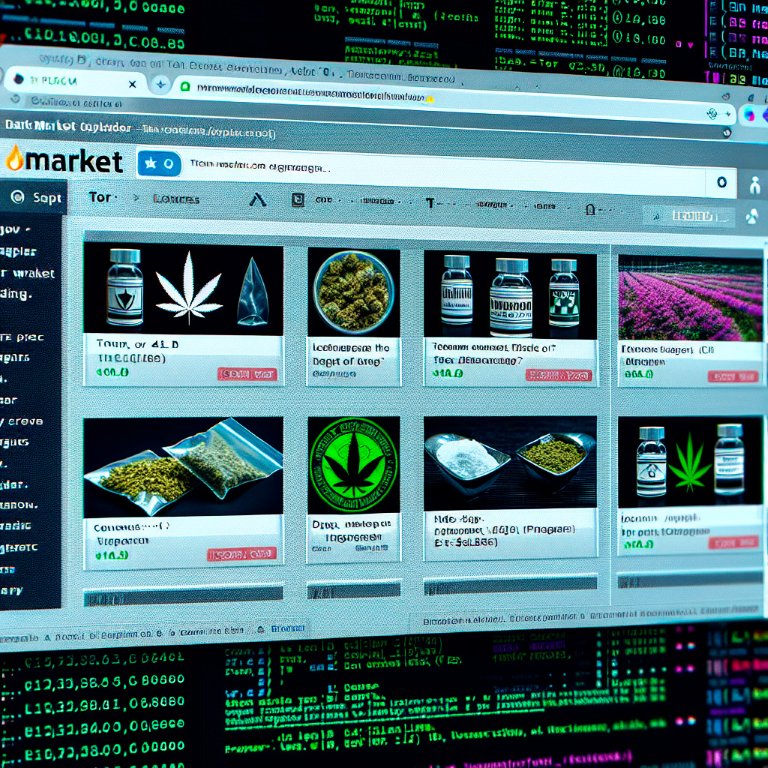
The evolution of vendor reputation systems is a primary driver for security and reliability on darknet markets in 2025. Moving beyond simple five-star ratings, modern platforms implement granular, automated scoring algorithms that analyze multiple, verifiable data points. These systems track a vendor's transaction history, including delivery speed, product weight accuracy, and communication responsiveness, generating a dynamic and objective trust metric.
Automation ensures the score updates in real-time with each completed order, preventing the manipulation common in older review systems. A buyer can now assess a vendor's performance in specific categories, such as stealth packaging or purity consistency, rather than relying on an aggregated and potentially misleading average. This data-driven approach significantly reduces risk by highlighting vendors with proven, long-term reliability and instantly flagging those with sudden negative trends.
The result is a self-regulating ecosystem where high-quality vendors are easily identifiable and rewarded with increased business, while unreliable actors are quickly marginalized. This creates a predictable and secure purchasing environment, as buyers can make informed decisions based on comprehensive, tamper-proof performance data.
More Choices, Same Good Quality on the Darknet
The evolution of darknet markets has directly addressed the historical issue of product inconsistency. By 2025, these platforms function as sophisticated, self-regulating ecosystems where vendor success is intrinsically linked to product reliability. The mechanism is straightforward: a vendor's reputation, calculated through granular and automated scoring systems, is their most valuable asset. Each transaction generates feedback on specific product attributes, creating a transparent record of quality that future buyers can trust.
This environment incentivizes vendors to specialize and maintain high standards, leading to a market with an expanded range of consistently available substances. A buyer can reliably find a specific pharmaceutical compound, a particular strain of cannabis, or a research chemical with verified purity. The product listings are detailed and accurate, often including third-party lab analysis results. This shift from a chaotic bazaar to a predictable marketplace reduces consumer risk associated with adulterated or misrepresented products.
The consistency is further reinforced by the underlying infrastructure. Decentralized escrow systems hold payment until order completion, ensuring vendors fulfill their promises to maintain their standing. Combined with private cryptocurrency transactions, this creates a secure framework for commerce. The outcome is a simplified procurement process where users can engage with confidence, knowing that the product variety is matched by a dependable level of quality upheld by the market's own economic and reputational design.
Easy and Secure Shopping on the Darknet
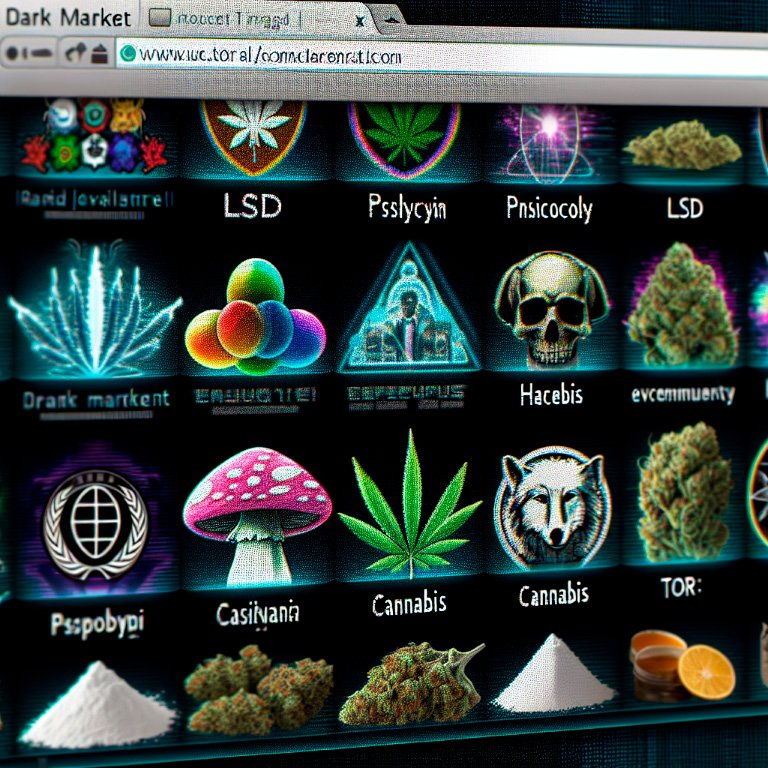
The evolution of darknet market interfaces in 2025 directly addresses the core user requirement for a transaction process that is both intuitive and secure by default. Modern platforms have moved beyond the clunky, technically demanding designs of the past. The current standard features a clean, minimalist layout that guides the user from product discovery to finalization with clear visual cues, reducing operational errors that could compromise security.
Security features are no longer buried in complex menus but are seamlessly integrated into the workflow. For instance, the integration of advanced cryptocurrency mixers is often a one-click option during the payment phase, with clear indicators of anonymization progress. Similarly, decentralized escrow releases are managed through simple, automated prompts that require minimal user input, thereby minimizing exposure. The design philosophy prioritizes opsec through simplicity, ensuring that even users with moderate technical expertise can conduct transactions without inadvertently leaving a traceable digital footprint.
This focus on usability extends to vendor interaction and product selection. Granular reputation scores are displayed through intuitive badge systems and visual graphs, allowing for quick assessment of vendor reliability. Filtering and search functions are robust, enabling precise navigation through expanded product listings to find consistent quality. The entire experience is engineered to build user confidence through transparency and ease, making the process of acquiring goods as straightforward as any mainstream e-commerce platform, while maintaining the stringent security protocols necessary for the environment.
How Anti-Fraud Tech Makes Darknet Drug Markets More Stable
Market stability in 2025 darknets is a direct result of sophisticated, automated anti-fraud systems. These platforms now employ multi-layered verification protocols that analyze transaction patterns, vendor behavior, and user feedback in real-time. The core mechanism is a decentralized escrow with smart contract logic that only releases funds to the vendor after the buyer confirms receipt and quality of the product. This eliminates the historical risk of exit scams where vendors would disappear with held funds.
Stability is further reinforced by granular reputation algorithms. Instead of a simple five-star score, systems track dozens of performance metrics, creating a dynamic and trustworthy vendor profile. Key factors include:
- Shipping consistency and delivery times
- Product purity matched against advertised specifications
- Communication responsiveness and dispute resolution history
How the Darknet Built a Smooth Shopping Experience
The evolution of darknet markets by 2025 has established a reliable ecosystem for modern commerce, fundamentally simplifying and securing the process of acquiring substances. This reliability stems from the seamless integration of private cryptocurrency transactions and a robust framework for trusted vendor relationships. The ecosystem operates on principles of cryptographic security and decentralized consensus, removing traditional points of failure and fraud.
Financial privacy is the cornerstone, achieved through advanced cryptocurrency mixers and privacy-focused coins that break the link between transaction and identity. This allows for discreet financial activity. Simultaneously, decentralized escrow systems and granular, automated reputation scores build a self-regulating environment of trust. Vendors maintain high standards to protect their scores, which are calculated from thousands of transaction metrics, ensuring consistent product quality and reliable service.
The user experience is designed for operational security and simplicity. Interfaces guide users through secure procedures, making complex cryptographic steps straightforward. This combination of factors creates market stability:
- Private crypto ensures buyer anonymity.
- Vendor reputation systems ensure product reliability.
- Decentralized escrow ensures transactional fairness.